


Media Room Climate Control in Chelmsford for Home Cinema Comfort

A home cinema that traps heat can make a film night uncomfortable, even when the rest of the house feels fine. Media room climate control in Chelmsford can be worthwhile if people, screens and other equipment regularly warm the room; a single-room installation is often completed within one day. The key is choosing a system sized for the room’s heat load, not just its floor area.
You’re right to look beyond simply turning the temperature down. Airflow, noise and the positions of the indoor and outdoor units all affect comfort in a cinema room. Thoughtful operation can also help avoid unnecessary energy use.
This guide explains what causes media rooms to overheat, when air conditioning makes sense, and how cooling, heating and indoor air quality fit into the decision. You’ll also learn what to consider for an existing cinema, basement or garden room, and how a professionally planned system can help create a more comfortable space for movie nights.
Table of Contents
Is Air Conditioning Worth It for a Home Cinema Room?
Air conditioning can help if people, screens and other equipment leave your cinema room uncomfortably warm. For media room climate control in Chelmsford, the key is matching the system to the room’s heat load, not just its floor area. A split system can also provide heating when needed.
Professional installation and commissioning
Professional air conditioning installation covers system selection, indoor and outdoor unit positions, and refrigerant pipework. F-Gas-compliant commissioning includes testing the system and confirming it operates correctly. Choose an installer with F-Gas certification for refrigerant handling, and ask what checks and handover information are included.
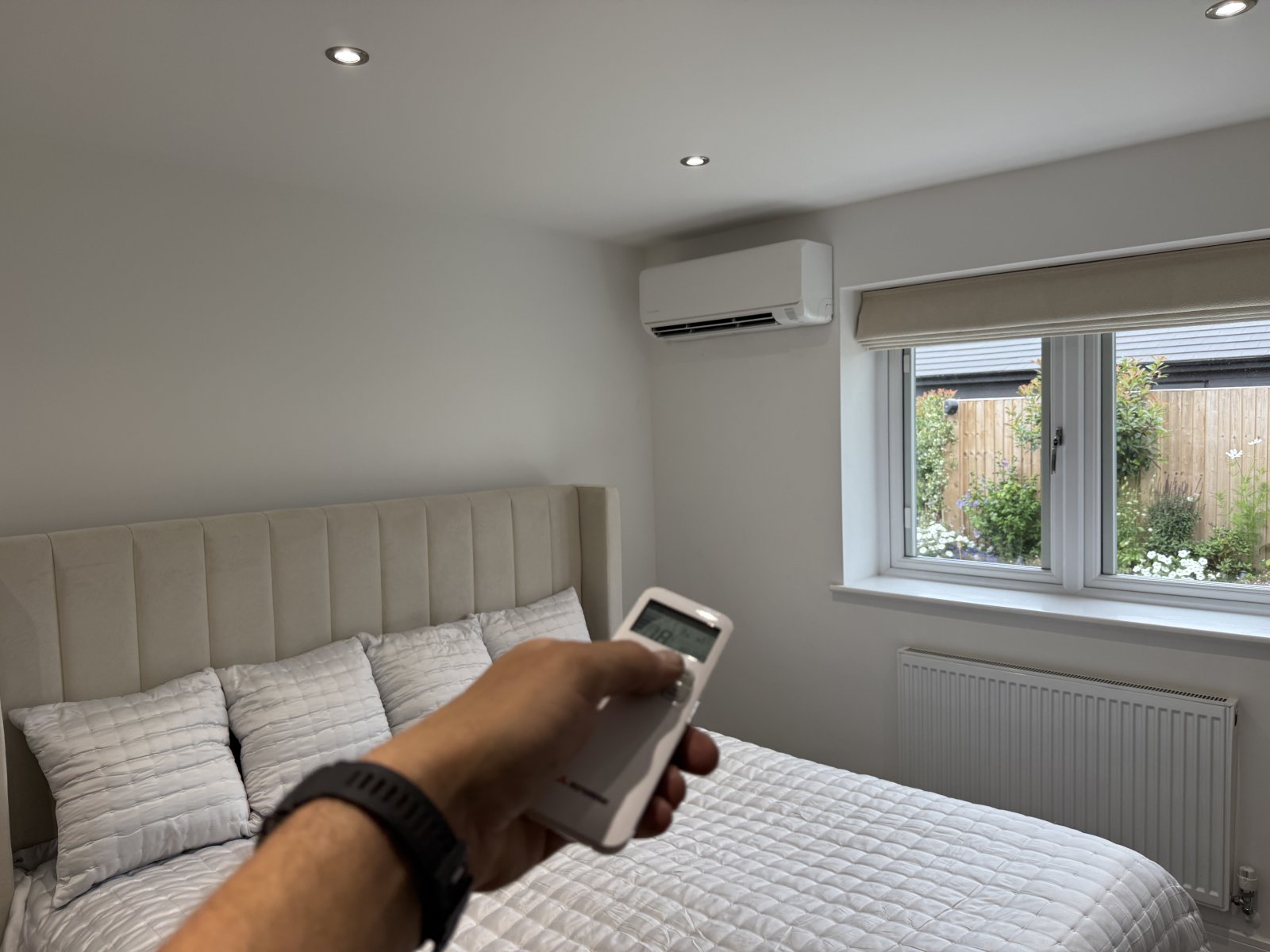
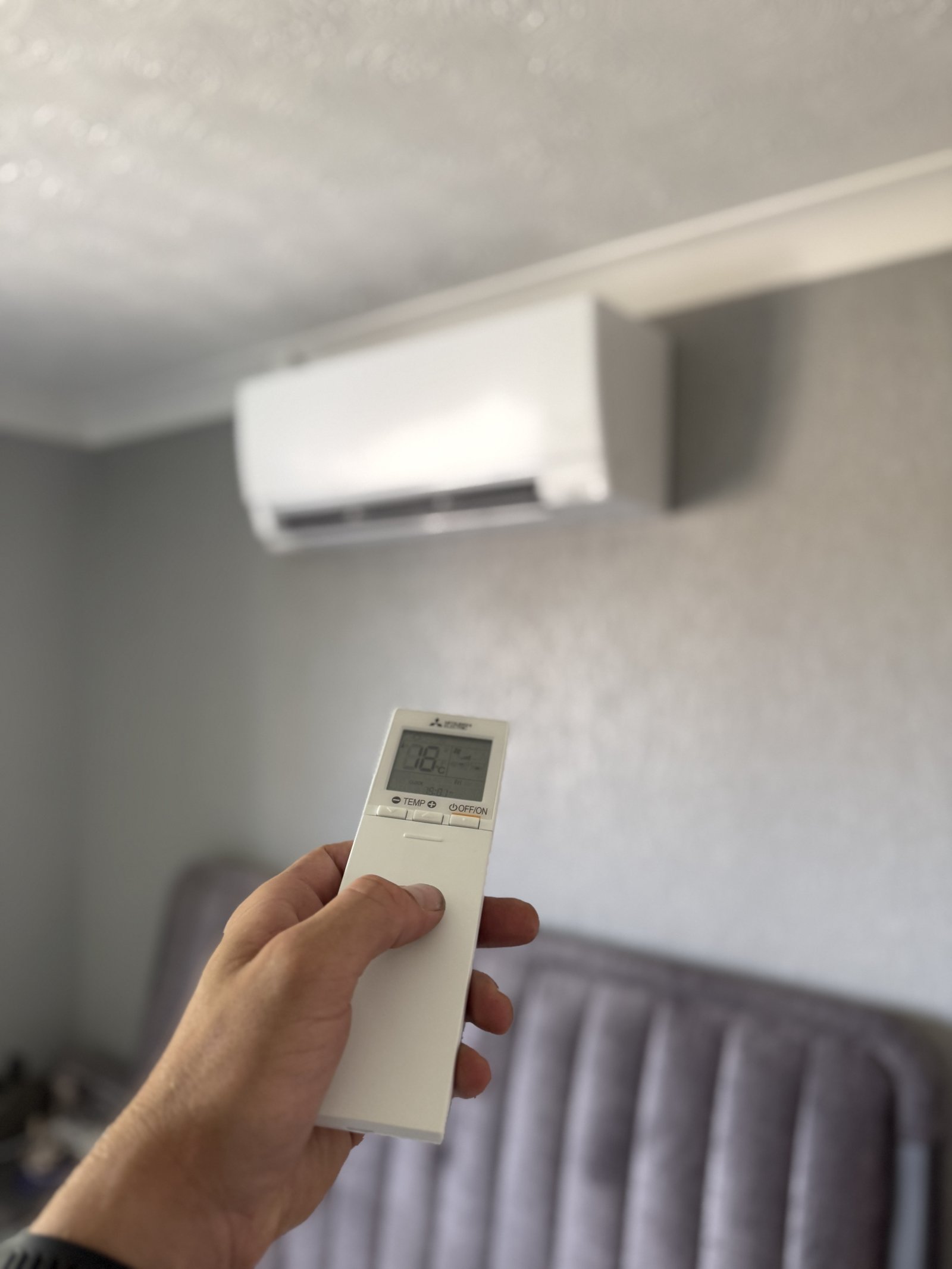
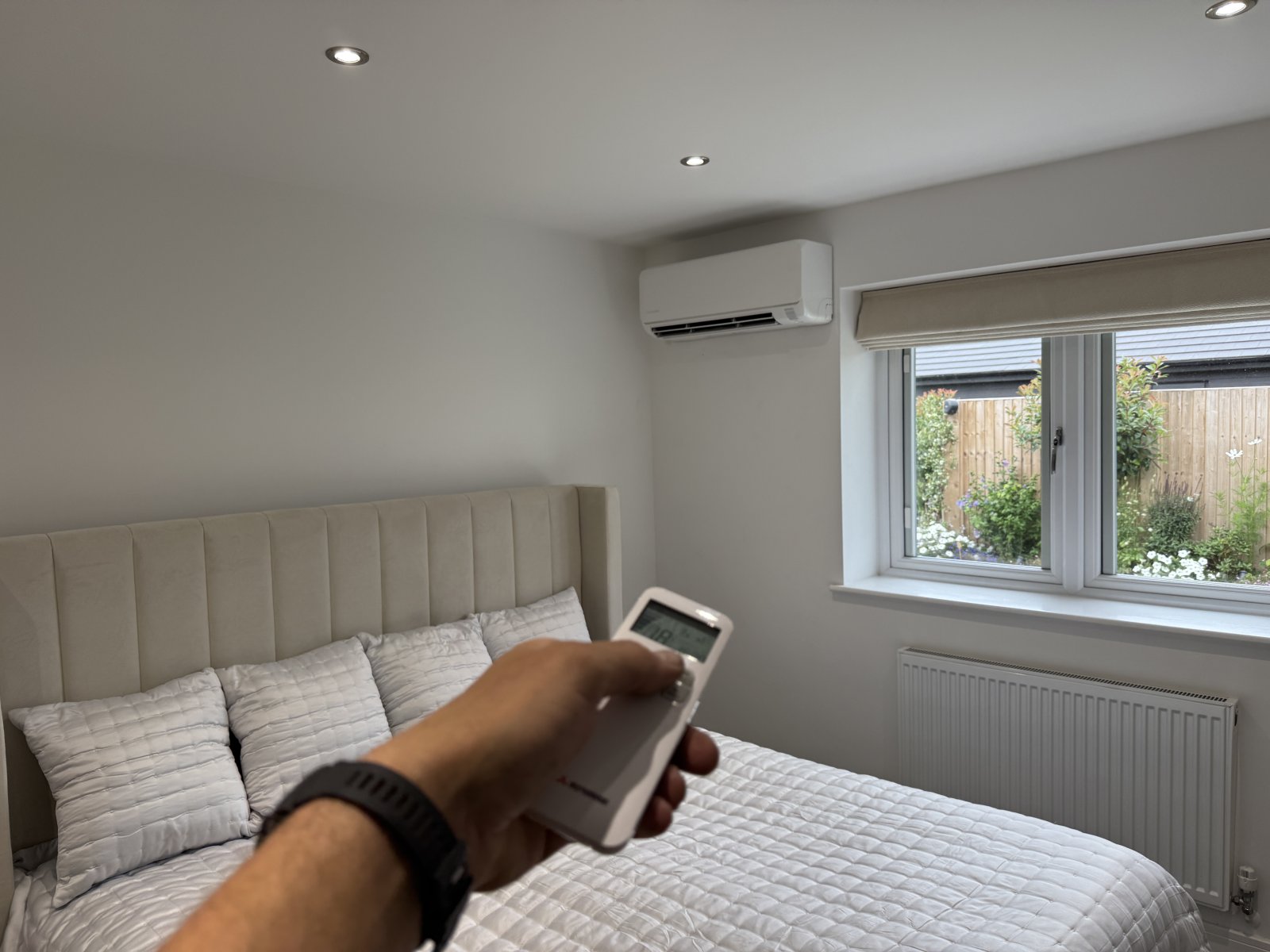
Installation should end with a demonstration of the controls and guidance on routine care. Servicing and repairs also call for a methodical approach: a refrigerant-circuit fault differs from a blocked filter or restricted airflow. Keep commissioning and service records together for future reference.
Choosing a system for a media room
An air-to-air heat pump is a good fit if you want one system for both heating and cooling. A wall-mounted split system can serve a single cinema room, while a multi-room setup can condition several rooms. Compare options by considering the room’s heat load, seating, equipment and possible unit positions.
For media room climate control in Chelmsford, most residential air-conditioning installations fall under permitted development. Listed properties, conservation areas and highly visible outdoor units may need planning guidance from the local council. Building-regulations requirements are a separate matter, particularly where electrical work or changes to the building are involved.
A local installation team should consider outdoor-unit position, neighbour noise and access for future maintenance. A single-room home cinema installation is commonly completed within one day, though the room layout and installation work affect the process. Ask for the system to be tested, commissioned and demonstrated before handover, so you know how to set heating, cooling and airflow for your viewing routine.
Comfort, energy efficiency and indoor air quality
In a cinema room, comfort depends on temperature, air movement and how you use the space. Suitable settings and routine maintenance can help keep the room comfortable while avoiding unnecessary energy use.
Comfort and indoor air quality
Cold air can feel uncomfortable even when the room temperature is suitable, particularly during a long film. Use the controls to avoid sudden changes, and consider where viewers sit in relation to the airflow. Air conditioning cools and recirculates indoor air; it doesn’t replace ventilation. If odours linger after a screening, ventilate the room rather than relying on cooling alone.
Energy efficiency and environmental compliance
For efficient home cooling, match operation to occupancy. Switch the system off when the cinema is unused, and close doors so conditioned air stays in the intended space. Refrigerant must be handled properly during installation and servicing. F-Gas-certified work supports responsible management of the refrigerant circuit, while sensible operating habits can limit avoidable electricity use.
Running costs and inverter efficiency
Electricity use varies with the system, the room’s heat gains and how often you run it. A film marathon with several screens operating can create more demand than a short viewing session. Set a comfortable target rather than repeatedly changing the controls. Keep doors and windows closed during operation, and use a timer to avoid cooling the room before it’s needed.
Maintenance and energy efficiency
Watch for changes in cooling, unusual smells, water around the indoor unit or a new noise. These can indicate a problem that needs attention, rather than a setting change. Keep the area around the equipment clear, and follow the manufacturer’s care instructions. Home air conditioning servicing can help address performance concerns before they disrupt a film night.
Cooling basement, garage-conversion and garden-room cinemas
Converted rooms need an assessment that reflects their construction and use. A basement cinema may start cool, but occupants and equipment add heat during a screening. Air conditioning can cool and dehumidify basement rooms, helping maintain comfort and protect equipment. Before planning, note damp smells, condensation or cold surfaces, as these may point to moisture issues needing attention.
Basements often have limited natural ventilation, so consider how fresh air enters and stale air leaves. Dehumidification removes moisture while cooling, but doesn’t add moisture when the air feels dry. Leave clear space around projectors, amplifiers and consoles so warm air can escape their vents. If equipment sits in a cabinet, assess its ventilation separately from the room’s cooling.
A garage conversion may have different roof, floor or insulation details from the main house. Note which walls face outdoors, where windows admit sunlight and whether the former garage door has been replaced. These details affect heat entering and leaving the room. Also consider adjoining spaces: an open doorway can change the cinema’s temperature during use.
Garden rooms present a different challenge: extensive glazing can let in solar heat, while the space may sit empty for long periods. A split system can provide cooling in summer and heating during colder weather. Set controls around when you use the room, rather than running the system continuously. Consider how the indoor unit’s airflow reaches viewers without blowing directly onto seats.
Existing cinema rooms can often be retrofitted without major disruption. For a standalone garden-room cinema, plan air conditioning around the room’s insulation, glazing and use. If the cinema connects to another room, decide whether you want to condition only the cinema or both spaces. That choice shapes the system layout and helps tailor it to your home.
Causes of overheating in home cinema and media rooms
Identifying sources of heat can explain why a cinema feels comfortable at first, then stuffy during a film. Consider sunlight, equipment, occupants and how air moves through the room.
Sources of room heat
Sunlight through a south-facing window can warm seats and walls before the film starts. Once the room is occupied, viewers, a projector, television and amplifier add heat. Poorly ventilated equipment cupboards can trap warmth around electronics, while closed doors limit its escape. Note which devices run together and when the room gets direct sun. This can reveal the strongest heat sources.
Look for heat collecting above seating or around a projector enclosure. A warm spot in one area may point to blocked circulation, rather than a need to cool the entire home. Moving equipment to open shelving or clearing an air path can address the cause before you select a system.
Cooling capacity assessment
There isn’t one cooling capacity that suits every media room. It depends on room volume, glazing, insulation, orientation, occupancy and heat from operating equipment. Tell the installer how many people usually watch together and which screens or amplifiers run throughout a typical session.
A heat-load assessment should consider these factors together, rather than relying on floor area alone. Include ceiling height and adjoining spaces in the room details. This helps identify a system suited to actual use and avoids choosing capacity by guesswork.
Ducted air conditioning distributes conditioned air through building ductwork, while a wall-mounted system delivers air from an indoor unit in the room. A portable unit vents hot air through a window hose and is typically less efficient than a split system. For a dedicated cinema, compare how each option fits the layout, airflow and equipment positions.
Before arranging an assessment, note room dimensions, window direction, insulation and equipment locations. Mark where viewers sit and identify any cupboard that encloses warm electronics. These details help distinguish whole-room heat gain from a local hot spot, making the cooling plan more practical.
Essex Home Air Conditioning: Air conditioning installation
Essex Home Air Conditioning installs air conditioning for home cinemas in Chelmsford. A wall-mounted split system may suit a dedicated media room, while a multi-room setup can serve the cinema and other rooms. The right arrangement depends on the room’s heat load, seating, equipment and practical positions for the indoor and outdoor units.
For a new installation, discuss how you use the room, which equipment runs during screenings and where you’d prefer the units fitted. For refrigerant-based systems, it is sensible to use an installer qualified to handle refrigerants. Existing residential units can also be maintained through air conditioning servicing, helping keep them in good working order.
Contact Essex Home Air Conditioning to discuss installing air conditioning in your home cinema.
Plan your home cinema around how you use it
Planning media room climate control in Chelmsford starts with how you want the room to feel during everyday use. Think beyond film nights: will it also be a games room, a family space or somewhere you watch sport? Those routines can shape where controls sit and how the system fits into your home.
Before discussing installation, make a short room brief. Note the usual seating arrangement, equipment used together and any practical limits on indoor or outdoor unit positions. A few clear photos can help explain the layout, especially where shelves, screens or doorways affect airflow. This gives the conversation a useful starting point without requiring you to choose a system first.
Essex Home Air Conditioning can plan a wall-mounted split system or multi-room setup for your home cinema. When you’re ready, get in touch to turn the room’s needs into an installation plan.
A thoughtful plan can make the cinema more comfortable and keep the space ready for its next use.
Frequently Asked Questions
How much does media room air conditioning cost in Chelmsford?
The cost depends on the system, room heat load, unit positions and installation requirements. A single-room wall-mounted system differs from a multi-room arrangement, particularly when pipework routes or access are more involved. Essex Home Air Conditioning provides a quotation based on the home and installation details. Share the room layout, equipment and preferred unit positions to help define the work involved.
Which Chelmsford companies install media room heating and air conditioning?
Essex Home Air Conditioning installs residential air conditioning in Chelmsford, including wall-mounted split systems and multi-room setups. Its systems provide heating and cooling, so one installation can serve both needs. The company also serves homeowners in Basildon, Benfleet, Rayleigh, Canvey Island, Wickford, Billericay, Brentwood, Leigh-on-Sea, Southend, Maldon, Burnham and Grays. When discussing installation for a cinema room, describe your layout and equipment.
How can you reduce noise from media room air conditioning and ventilation?
Reduce sound reaching the seating area by planning indoor and outdoor unit positions carefully. Keep airflow away from microphones and listening positions, and avoid placing ventilation openings close to seats. Anti-vibration mounts can reduce vibration transfer from an outdoor unit to the building. A quiet viewing setup also benefits from clean filters and unobstructed airflow, which help prevent the system working harder than needed.
What ventilation and humidity levels are recommended for a home cinema room?
There isn’t one suitable ventilation or humidity level for every cinema room; occupancy, room size and ventilation design all affect conditions. Keep fresh-air ventilation in mind, especially during a full-house film night, and don’t rely on cooling alone to refresh room air. If the room feels damp, air conditioning can help remove moisture, but it doesn’t add humidity when the air is dry.
What running costs and energy efficiency can you expect from media room climate control?
Running costs vary with system efficiency, capacity, room heat gains and operating hours. For a practical estimate, note how long you use the room and whether screens or amplifiers run throughout. An inverter heat pump adjusts its output to match demand, while timers can prevent unnecessary operation in an empty room. Correct sizing and routine filter care also support efficient performance.
What are the risks of poor ventilation or overheating in a media room?
Poor ventilation can leave a cinema room feeling stale, particularly when several people watch with the door shut. Heat from occupants, projectors and amplifiers can build up during a long screening, making the room uncomfortable and potentially affecting sensitive equipment. Keep equipment vents clear, avoid enclosing warm components without airflow, and consider ventilation alongside temperature control when planning the room.
Comments